
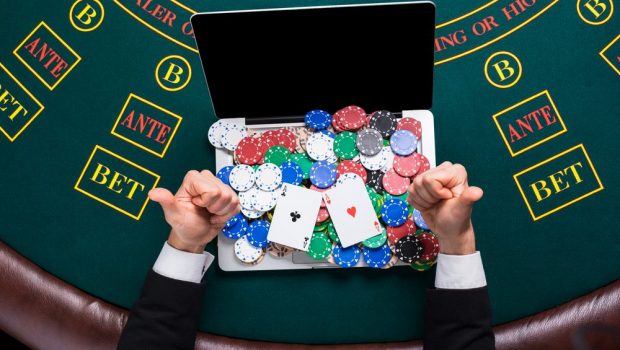
The Role of Live Casino in Holiday Campaigns
Real-time dealer games adhere to a different promotional rhythm than slots, and I observe this evidently in seasonal campaigns. Slot promotions center on volume-based leaderboards and multiplier chasing. Live casino events, on the other hand, typically aim at specific game show titles or blackjack tables with side bet challenges. A Valentine’s campaign could add a multiplier boost into every Mega Ball draw during peak hours for a week. A winter event might grant double loyalty points on all Evolution Gaming roulette tables. mobilā lietotne duelkazino includes its live casino vertical prominently in seasonal strategies, which is understandable because live games produce long session times and steady bet volume. The most common mechanic here is the lucky card or golden chip random drop that gives instant cash during designated dealer shifts.
The infrastructure needs for live casino promotions are more demanding than for slots. A dealer team must be briefed, table IDs established in the back-end, and eligibility windows hard-coded into the aggregator’s promotion engine. That’s why I typically observe live casino seasonal events run at precise server times, often noon to midnight CET, with no exceptions. Operators select specific lobbies, so I routinely examine the promotional page for the exact table list before playing. Playing on the wrong version of Lightning Roulette simply doesn’t qualify. The upside is that competition in live casino leaderboards tends to be thinner than in slots, especially in niche formats like First Person tables or VIP blackjack, where the minimum bet threshold functions as a natural barrier to mass participation.
Mechanics Specific to Game Shows
With live game titles including Crazy Time or Monopoly Live, holiday promotions turn into event-driven excitement instead of simple betting volume exercises. An operator might run a top multiplier hunt where the highest single-spin multiplier achieved during the bonus weekend wins a bonus, but the bet size is capped at a low level to even the playing field. That draws recreational players into an expensive game without requiring heavy bets. The prize is connected to the rarity of the result, not the bet value, so a €1 spin achieving a 500× multiplier outperforms a €10 spin reaching 100×. I’ve observed Duel Casino implement this during Easter and Halloween occasions, and it creates real enthusiasm because the game flow stays interactive and results are confirmable through provider replay logs.
Measuring the Genuine Value of a Seasonal Event
To determine whether a promotional deal is beneficial, I apply a system that disregards the concept and concentrates only at the figures. I first calculate the total amount I must stake to get the maximum reward. Then I deduct the expected house edge expense on that total using the published RTP of approved games. After that, I add the actual market worth of any certain bonuses minus the probability-weighted worth of random prizes. For illustration, a Halloween deal with a guaranteed €10 free bet after a €50 bet on a 96% RTP slot has an expected cost of €2, yielding a surplus of €8. A one-in-a-thousand chance at a €5,000 holiday voucher for the same bet has an projected prize amount of €5, generating a profit of €3, but most players will nonetheless finish with a net loss.
What differentiates Duel Casino aside in my seasonal analysis is clearness. The operator separates assured elements from random components in the bonus conditions. You obtain assured loyalty points, determined cashback amounts, and open tournament prize tables, without needing to dig through layered PDF files. The licensing framework mandates that openness, and I observe it implemented in the available content. When a seasonal promotion involves non-monetary prizes like devices or travel, I check the conditions on prize replacement and fulfillment schedules, because a offered item that arrives six months behind schedule or is exchanged for a lower type changes the true proposition. I also record the offer conditions the time I enroll, which protects me if a issue occurs over what was promised against what was given.
In what manner Promotional Mechanics Contrast from Standard Bonuses
A seasonal promotion is hardly ever just a greater version of a welcome bonus. Standard sign-up offers are predetermined deposit matches, but seasonal events often use hybrid mechanics. I frequently see prize multipliers confined to specific game categories for a few hours, or cashback schemes where the refund percentage increases with cumulative net losses over a themed week. At Duel Casino, the value proposition often moves from bonus money to non-cash prizes like gadgets, holiday packages, or entries into live draws. That modifies the risk calculation completely, because expected value relies on your chance of winning a fixed prize pool against an unknown number of participants rather than on a simple multiplier tied to your deposit.
Wagering requirements inside these campaigns often sit on a sliding scale. A summer splash might present a 50% deposit match with a 25× playthrough, while the base welcome terms need 35×. But I always check whether the reduced playthrough is offset by a shorter eligibility window. Many seasonal bonuses must be finished within seven days instead of the usual thirty, and missing that detail means the bonus becomes void worthless. I also notice that maximum cbc.ca bet limits during promotional play are often lowered from the standard €5 to €2 or €1 per spin to stop rapid grinding. These adjustments aren’t hidden, but they necessitate reading the dedicated promotional terms rather than relying on the general bonus policy page. The difference between a profitable holiday event and a wasted deposit usually comes down to those changes.
Tournament and Leaderboard Behavior
The competitive layer added by seasonal leaderboards is engineered to leverage particular psychological biases. Recognizing this has saved me from unwise decisions. The most potent is the near-miss update. A leaderboard that refreshes in real time and presents me hanging at position 11 when only the top 10 win creates an overwhelming urge to play just a few more rounds to reach the prize zone. I’ve sensed that pull directly, and I now identify it as a calculated design choice. The points system is often irregular, so one high-multiplier spin can move me past numerous of players. That instability promotes bursts of play rather than steady grinding, which drives higher bet frequency and therefore higher theoretical loss for the losing majority.
To offset this, I establish a hard stop-loss budget before I access the tournament page. I consider the entry fee as the house edge on my eligible play, not a actual ticket cost, and I never pursue a position if I fall outside the top 20 percent of the prize table. I also consider the prize structure. A flat prize table where the top 50 get same small awards is far more gentle than a winner-takes-most table. At Duel Casino, I see both structures across seasons, with high-summer events leaning toward wide distribution to maximize participation, while exclusive VIP seasonal events can be heavily weighted at the top. Reviewing the prize distribution chart in the terms before playing is the most crucial self-protection move in any tournament-based event.
Promotional Events and Collective Reward Formats
A large proportion of the holiday promotions I come across, including the ones at Duel Casino, are backed not by the casino itself but by game studios through network-level marketing features. When I participate in a Christmas leaderboard offering a share of a million-euro prize pool, I’m practically participating in a event spanning multiple operators. The leaderboard ranks players across all partner casinos, not just one brand, and usually awards one point per euro wagered or per qualifying win multiplier on chosen slot games. So my prospects are shaped by overall player numbers across the entire network, which I have no power over. A player at a less prominent casino has the same mathematical expectation per spin as one at a large operator, but the variance is huge because a few high rollers can control the top positions swiftly.
I carefully examine the distribution curve of prizes. Many promotions promote a top-line number but concentrate most value in the top three positions, with hundreds of tiny random giveaways filling the winner list. For a occasional player, random daily prize drops included in these network events often present more favorable risk-to-reward than climbing the leaderboard. Those drops are generally initiated automatically by game software after a qualifying spin and credited instantly without a additional registration or long settlement. At Duel Casino, the integration is smooth because the platform uses a up-to-date aggregator configuration that enables instant event activations from providers like NetEnt, Evolution, and Play’n GO. So minor payouts from these promotions arrive in my account without waiting for manual redemption.
Responsible Engagement with Time-Limited Offers
Seasonal offers shorten the decision-making timeline, and I believe that compression is the biggest risk factor for otherwise disciplined players. A countdown timer, a themed visual atmosphere, and the fear of missing out on a once-a-year deal can suppress any rational assessment of the promotion’s true cost. I handle this by disregarding the scarcity language in the marketing and determining the effective bonus value as a pure percentage. If a Halloween offer gives me a €100 bonus for a €100 deposit but requires a 40× wagering on slots, the total playthrough is €8,000. I estimate the theoretical hold at 4%, costing around €320 in expected loss before withdrawal. A seasonal theme won’t alter that arithmetic, and writing it down counters the emotional pull.
I also set session limits for each seasonal campaign instead of using blanket monthly deposit caps. If a winter festival runs for twelve days, I assign a fixed amount for those twelve days and split it by the days I plan to participate. I don’t front-load the entire allowance after an early bad run, because then nothing is remaining for later events that might be more favourable. The operator’s responsible gaming tools, accessible through account settings, allow temporary granular adjustments, and I use them to enforce campaign-specific boundaries. Licensed platforms, like the one Duel Casino operates on, feature reality check pop-ups and session timers that I find genuinely useful during the distorted time perception of an engrossing seasonal tournament.
The scheduling rationale Behind Seasonal Campaigns
I’ve dedicated a lot of time observing how online casino bonuses change with the calendar, and I’ve realized that seasonal promotions are certainly not festive extras slapped onto standard offers. These are calculated campaigns structured to follow shifts in player behaviour, disposable income, and free time. At Duel Casino, the yearly rhythm is clear: winter prize draws and summer tournament series appear at predictable intervals. January brings reload bonuses for low-deposit activity, spring events use moderate leaderboards to reactivate dormant accounts, and summer blockbusters carry the heaviest prize value because attention is split with travel. The fourth quarter then escalates sharply with advent calendars, daily mystery drops, and lengthy prize draws that require sustained daily engagement over several weeks.
The timing also reflects industry-wide affiliate pushes and provider roadmaps. Many seasonal network promotions I’ve followed, including those from Pragmatic Play and Play’n GO, are scheduled months ahead as contractual obligations in game supply agreements. That knowledge lets me anticipate when the most valuable pooled prize tournaments will land. A major provider’s seasonal Drops and Wins event typically runs network-wide, so dozens of casinos compete for the same player liquidity with standardised prize tables. I employ that to filter marketing noise and focus on what Duel Casino layers on top: exclusive deposit matches or reduced wagering requirements within the same promotional period.
Payment method Device, and System Considerations Throughout Peak Campaigns
Payment Option Timing
An overlooked aspect of seasonal promotions is how they coordinate with payment provider campaigns. During certain periods, using specific deposit methods unlocks extra value that is not promoted in the main promotional banner but is tucked away in the cashier section. Major e-wallet providers and instant bank transfer services conduct their own cashback or fee-waiver initiatives, and casinos often align their seasonal calendars with these. A summer campaign might include completely fee-free withdrawals processed within two hours if I use a specific instant SEPA method or an accepted crypto gateway. Duel Casino supports cards, bank transfers, and digital wallets, and seasonal pushes often correspond to faster processing guarantees delivered by email or site notifications. The best bonus is useless if I can’t move money in and out cleanly during the eligibility window.
Hardware Dependability During High Traffic
I always evaluate how a seasonal promotion functions across different devices before I fully commit, because the technical implementation can change between mobile and desktop. Most modern slot and live game interfaces are HTML5, so feature parity holds across iOS, Android, and browsers. Duel Casino’s responsive platform deals with this reliably. Still, promotional pop-ups, progress bars, opt-in toggles, and prize notifications can glitch more readily on mobile during high-traffic seasonal spikes. I’ve missed a timed prize claim because a toast notification did not display on a throttled mobile connection. During critical seasonal prize drops that require manual claiming within a short window, I default to a desktop browser on a stable wired connection, or at a minimum a strong Wi-Fi network with background app refreshes disabled to prevent interruptions.
The way the Loyalty Framework Boosts Seasonal Cycles
Beyond the standalone event, a crucial piece of how seasonal promotions truly work is their interaction with the site’s underlying loyalty or VIP scheme. The best seasonal play involves stacking event points with the standard loyalty points that accumulate in the background. During a winter leaderboard where I’m already generating high volume, the simultaneous accumulation of loyalty tier credits hastens my progression toward higher cashback rates and faster withdrawal timelines, benefits that remain with me long after the promotion ends. Duel Casino’s loyalty framework rewards consistent play with progressively better exchange rates on point redemption. When a seasonal event multiplies base points on selected games, the compounding effect is substantial. I particularly look for double loyalty points overlays during holiday events because that lowers the net cost of any attached wagering.
The timing of loyalty tier upgrades also aligns with seasonal campaign cycles in a way I can exploit. Tier status is often evaluated on a rolling monthly or quarterly basis, and the end of a calendar quarter frequently overlaps with a major seasonal push. If I’m close to crossing a threshold near the end of March, a spring holiday promotion that pushes me over the line secures upgraded benefits for the entire following quarter. This synchronization between internal loyalty management and external campaign launches is a strategic layer many players overlook, because marketing focuses on the holiday theme rather than the back-end tier calculus. A small extra deposit to trigger a tier upgrade during a seasonal event produces recurring value for months, while the same deposit in a non-promotional period only yields the standard tier change.